

Energy label for your home: classes, costs and what it means for your mortgage | Libero Financieel
Whether you're buying or selling a home, you'll always come across the energy label (energielabel). It shows how energy-efficient a home is, but can also affect the sale, your energy costs and sometimes even your mortgage. On this page you'll read what an energy label is, when it's required and what it means for you.
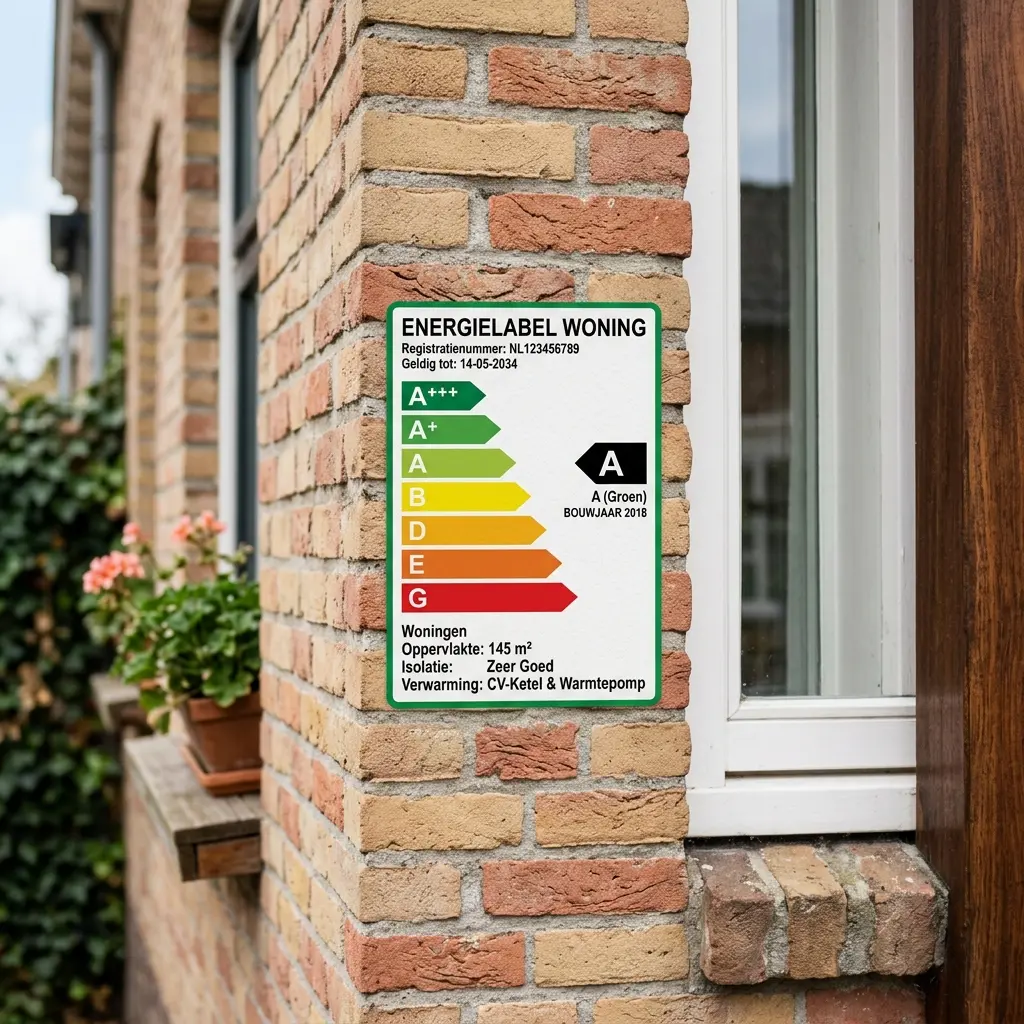
What is an energy label?
The energy label uses classes from A++++ through G to show how energy-efficient a home is. The greener and higher the letter, the more efficient the house. The assessment looks at, among other things, insulation, the type of glazing, the heating system and any solar panels. The label also lists concrete measures you can take to make your home more energy-efficient.
When is an energy label required?
When selling your home
Selling your home? Then you're required to show a valid energy label and state the label class in every sales listing, including on Funda.
When renting out
Renting out your home? Then you must also be able to provide a valid energy label to the new tenant.
On delivery of new-build homes
Buying a new-build home? Then an energy label is required at delivery, often for a highly energy-efficient home.
A note on listed buildings
Exceptions to the energy label requirement sometimes apply to protected monuments (monumenten), and these rules have changed recently. Make sure you're properly informed about which rules apply to your specific situation.
How do you apply for an energy label?
- Check your current label
Does your home already have a registered energy label? If it's still valid (maximum 10 years), you don't need to do anything. - Choose an energy advisor
Only a certified energy advisor is allowed to issue and register an official energy label. - Schedule a home visit
The advisor visits for an assessment of 1.5 to 2 hours and reviews the insulation, glazing, heating and any solar panels. - Receive and register your label
The advisor registers the label in EP-online and sends you a pdf of the final energy label.
What does an energy label cost?
The cost of applying for an energy label is typically between € 250 and € 400, depending on the size of your home and the region. Missing a valid energy label at sale, rental or delivery? Then the Inspectorate for the Environment and Transport (ILT) can impose a fine. Avoid delays in your sales process and apply for the label in good time. The turnaround time is usually 5 to 10 working days after the energy advisor's visit.
We're happy to help you find a certified energy advisor in your area.
Energy label and your mortgage
As a mortgage advisor, we look beyond just the letter on your energy label. The label can have a concrete effect on your mortgage options:
- Extra borrowing room: for energy-saving measures, you can borrow up to 106% of the property value with many lenders, instead of the usual 100%. The exact room depends on your energy label and your personal situation.
- Energy savings budget: with many lenders, you can include an energy savings budget (energiebespaarbudget) in your mortgage. This amount goes into a bouwdepot (construction fund) and is used for sustainability improvements. Whatever you don't use can go toward extra repayments.
- Interest discount: some lenders offer an interest discount if your home has a good energy label, or when your home gets a better energy label. This varies a lot per provider, so we factor this into our advice for you.
- Which measures count: not every renovation qualifies. Insulation, HR++ or triple glazing, a heat pump and solar panels are generally recognised; some measures only count when combined with other energy-saving measures.
Improving your energy label
Have you carried out sustainability measures since your last energy label, such as better insulation, solar panels or a heat pump? Then it may be worth applying for a new energy label. A higher class can increase your home's value, improve its saleability, and potentially benefit your borrowing room or mortgage interest rate. Want to know what your energy label means for your mortgage? Plan a free conversation with one of our advisors.
Frequently asked questions about the energy label
How long is an energy label valid?
An energy label is valid for a maximum of 10 years from the date of issue. After that, you need to have a new label assessed, even if nothing has changed about your home.
What does applying for an energy label cost?
Typically between € 250 and € 400, depending on the size of your home, the region and the energy advisor you choose.
Who is allowed to issue an energy label?
Only a certified energy advisor can issue and register an official, valid energy label after a home assessment. Online tools only provide an estimate at best.
What happens if I don't have a valid energy label?
If a valid energy label is missing at sale, rental or delivery, the Inspectorate for the Environment and Transport can impose a fine. You also aren't allowed to advertise your home without stating the label class.
Can a good energy label help me get a bigger mortgage?
Possibly. For energy-saving measures, you can borrow up to 106% of the property value with many lenders, and some providers offer an interest discount for an energy-efficient home. We're happy to tell you what this could mean for your situation.
We think along with you on sustainability and financing
An energy label is more than a mandatory document. It can affect your mortgage options and your home's value. We look together with you at which sustainability measures pay off and how best to finance them.
Plan a free mortgage conversation More about sustainable living (in Dutch)